
Contact lenses · Concord Eyecare
Multifocal contact lenses: what to realistically expect
Freedom from reading glasses is possible. As a multifocal contact lens wearer myself, I'll tell you exactly what to expect: the good and the trade-offs.
- ★ 4.9 from 200+ Google reviews
- Additional qualifications All of our optometrists hold additional qualifications to deliver a high standard of care
- All health funds HICAPS on the spot

Multifocal Contact Lenses
What are multifocal contact lenses? Who are they for?
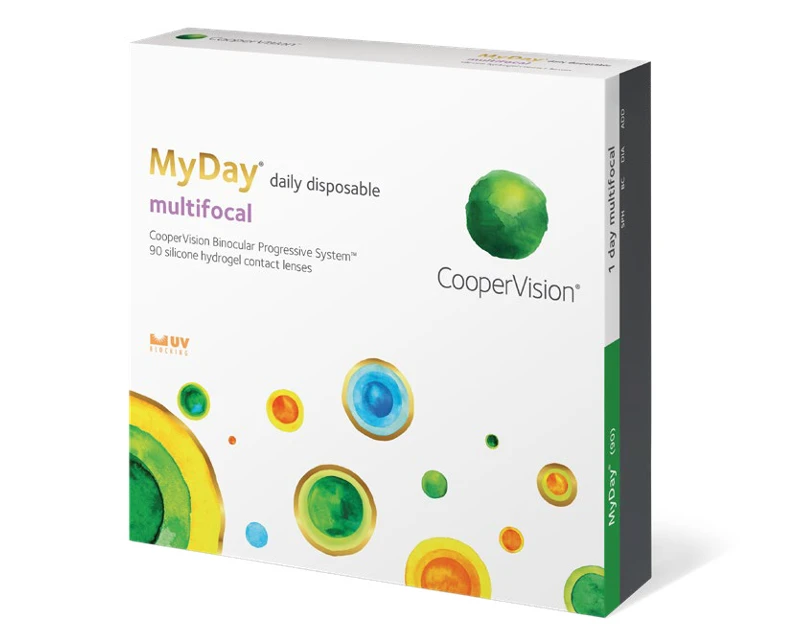
Multifocal contact lenses correct your vision at multiple distances (near, intermediate, and far) in a single soft lens. They're designed for people over 40 with presbyopia who want to rely less on reading glasses or multifocal glasses (also called progressive lenses), without surgery.
Unlike bifocals with a visible line, multifocal contacts use concentric ring or aspheric designs that blend between prescriptions. The latest from CooperVision and Alcon are daily disposables: a fresh pair each day, which suits dry eyes and part-time wear.
Many of our patients over 40 assume contact lenses aren't possible for them anymore. That's not true, and the technology has improved dramatically in the last few years.
Multifocal glasses wearers
You already wear multifocal glasses but want freedom for sport, social events, or days when glasses feel limiting.
Reading glasses avoiders
You're tired of pulling out readers for menus, phones, and price tags. Multifocal CLs handle most of that for you.
Active lifestyles
Tennis, golf, cycling, swimming — anywhere glasses fog, bounce, or get in the way. Contacts just disappear.
Realistic Expectations
What multifocal contacts do and don't do


Blur
Clear
Multifocal contact lenses significantly improve near and intermediate vision for most patients, but they involve a compromise. Near vision may not be as crisp as dedicated reading glasses, and pushing the reading addition too high can introduce night glare and reduce distance clarity.
These are the details worth knowing before you start, rather than after you've paid for a fitting and feel disappointed.
The fitting process is really about finding your personal sweet spot: balancing enough reading power to be useful, without sacrificing distance clarity or creating problems at night. For most patients, that sweet spot exists, and they love their lenses. But it's a compromise, not magic.
"I wear multifocal daily contacts myself, so I know firsthand what works and where the compromises are. The patients who do best are the ones with realistic expectations going in. I'd rather you know exactly what to expect and be genuinely pleased than find out the limitations at your first follow-up."
— Dr Mark Joung
What they do well
- Phone screens, menus, price tags, computer work — the everyday near tasks that make you reach for readers.
- Sport, social events, and active days where glasses are impractical.
- General convenience — no switching between distance and reading glasses.
The trade-offs
- Fine print for extended periods (long novels, detailed spreadsheets): readers may still be better.
- Night driving glare: if the add power is pushed too high, halos around lights can be noticeable.
- Distance clarity may drop slightly compared to single-vision distance lenses.
Curious if multifocal contacts could work for you?

The Fitting Process
How we fit multifocal contacts
Multifocal contacts are harder to fit than standard lenses. That's why many optometrists don't actively offer them. The fitting involves more than just your prescription. We assess your dominant eye, tear film quality, pupil size, and lifestyle needs to select the right lens design and power combination.
1
Assessment
Eye health check, prescription update, tear film and corneal assessment, dominant eye test.
2
Trial lenses
We select a lens design and add power based on your needs. You'll try them in-office and we fine-tune.
3
Teaching
If you're new to contacts, we teach insertion and removal until you're confident. No rush.
4
Follow-up
Wear the trial lenses for a week, then come back. We adjust if needed. Changes are included.
Fitting fee: $150
Covers your consultation, all trial lenses, insertion and removal teaching, follow-up visit, and any adjustments until we get it right. No hidden extras.
Medicare rebate: If your prescription is ±5.00 or higher, or you have 3.00 dioptres or more of astigmatism, Medicare item 10921 applies and reduces your out-of-pocket cost. We'll let you know at your appointment if you're eligible.
Comparison
Multifocal contacts vs multifocal glasses
Most of our multifocal contact lens patients also own multifocal glasses. They're not either-or — they complement each other for different situations.
| Multifocal contacts | Multifocal glasses | |
|---|---|---|
| Near vision | Good for everyday tasks: phones, menus, screens. May not match dedicated readers for fine print. | Sharp near vision in the reading zone. Wider sweet spot for prolonged reading. |
| Distance vision | Good. Slight softness possible compared to single-vision lenses. | Excellent in the upper zone. Peripheral distortion common in lower-quality designs. |
| Sport & active use | Excellent. No fogging, bouncing, or peripheral frame obstruction. | Limited. Fogging, movement, risk of damage. |
| Night driving | Glare possible, especially with higher add powers. We manage this during fitting. | Generally better. Wider optical zone, no tear film variability. |
| Convenience | No glasses to carry, clean, or lose. Daily disposables mean zero maintenance. | Always ready. No insertion/removal routine. |
| Dry eyes | Can be challenging. Dailies help. We screen and advise on realistic wear schedules. | Not affected by dry eyes. |
| Cost | $150 fitting fee + ongoing lens supply (varies by brand and frequency). | From $420/pair at Concord Eyecare. One-off purchase, lasts 1–2 years. |
Frequently Asked Questions
Common questions about multifocal contacts
Are multifocal contact lenses worth it?
Yes, for most patients, with the right expectations. They won't perfectly replace reading glasses for every task, but the freedom from carrying glasses for sport, social, and everyday use is significant. The majority of our patients continue wearing them long-term.
Can I drive at night in multifocal contacts?
Most patients can. However, some experience halos or glare around headlights, especially if the reading addition is set higher. We test for this during fitting and adjust the lens power balance to minimise night vision issues.
Should I choose daily or monthly multifocal lenses?
Dailies are ideal for part-time wear (weekends, sport, events) and for patients with dry eyes. Monthlies are more cost-effective for everyday wear. We recommend based on how often you plan to wear them.
How long does it take to adjust?
Most patients notice an improvement within the first few days, though full adaptation can take 1–2 weeks. Your brain needs time to learn which zone of the lens to prioritise at different distances.
Can I wear multifocal contacts with astigmatism?
In many cases, yes. Mild astigmatism can often be managed within a standard multifocal design. For higher astigmatism, we may need toric multifocal options or alternative approaches like Ortho-K with reading glasses.
What if multifocal contacts don't work for me?
It happens. Not everyone adapts. If we can't find a combination that works, we'll redirect you to the best alternative: monovision contacts, updated multifocal glasses, or a combination approach.
Other options
Not the right fit? Here's what else we offer
Multifocal contacts aren’t for everyone.
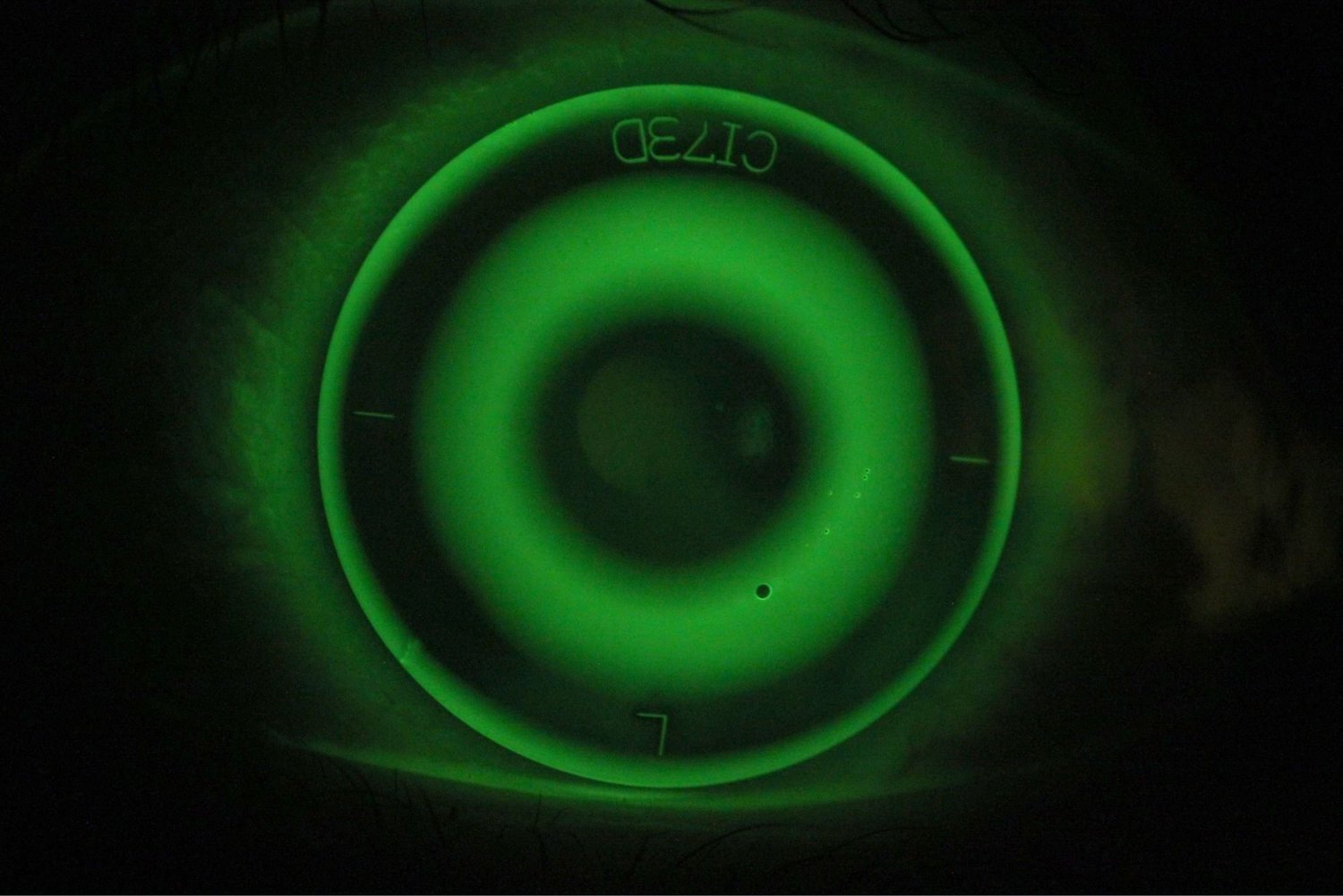


Dr Mark Joung, B.Optom (Hons) UNSW · Certificate in Ocular Therapeutics (ACO) · 20+ years clinical practice
Mark is the principal optometrist at Concord Eyecare and a multifocal daily contact lens wearer himself. He has a special interest in complex contact lens fitting, including multifocal lenses, Ortho-K, and scleral lenses, and brings firsthand experience to every fitting.
Reviewed by Dr Mark Joung, B.Optom (Hons) UNSW
References (2)
- Wolffsohn JS, Davies LN. Presbyopia: effectiveness of correction strategies. Prog Retin Eye Res. 2019;68:124-143.
- Morgan PB, Efron N, Papas E, et al. BCLA CLEAR Presbyopia: management with contact lenses and spectacles. Cont Lens Anterior Eye. 2024;47(4):102158.
Ready to try multifocal contacts?
Book a consultation and we'll give you a realistic assessment of whether they'll work for your eyes and lifestyle.