
Dry eye · Sydney
Omega-3 for dry eyes: does it help?
Sometimes: the evidence is mixed, with most benefit when blocked oil glands cause the dry eye.
- ★ 4.9 from 200+ Google reviews
- Additional qualifications All of our optometrists hold additional qualifications to deliver a high standard of care
- All health funds HICAPS on the spot
What does the research say?
The largest trial found no benefit over olive oil; pooled trials show a modest benefit.
DREAM trial (2018)
535 patients, New England Journal of Medicine: omega-3 no better than olive oil over 12 months. Olive oil may not be inert, about 75% changed their other treatments, and both groups improved.
Wang & Ko meta-analysis (2023)
19 RCTs, 4,246 patients: omega-3 improved symptoms and signs. A higher dose, longer use and more EPA predicted a better response.
TFOS DEWS III (2025)
The most recent guidance keeps omega-3 in the first-line tear-film algorithm, particularly for meibomian gland dysfunction.
Who does omega‑3 help most?
People with dry eye from blocked oil glands, and people who eat little oily fish.
Blocked oil glands
Most likely to help when meibomian gland dysfunction causes evaporative dry eye, the most common type.
Little oily fish
People who eat little oily fish notice the most difference. Salmon three times a week leaves less to gain.
Screen-heavy work
Screen-heavy workers with mild to moderate symptoms are also good candidates.
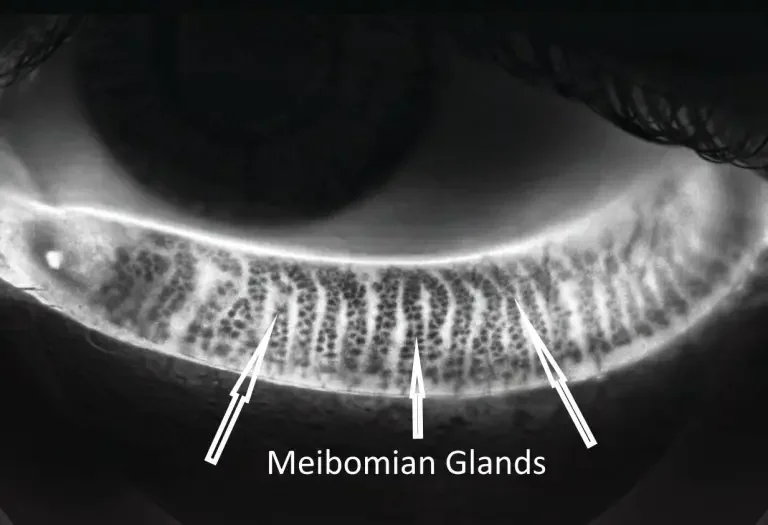
The evidence is weaker for aqueous-deficient dry eye (too little tear fluid, often linked to Sjögren's syndrome). On IPL treatment and full lid hygiene, omega-3 may add less, which is part of why the DREAM trial struggled to find a clear signal.
At Concord Eyecare
What we recommend
Diet first; then a topical treatment, then an oral supplement if needed.
First line: eye drop
NovaTears+Omega-3 Eye Drops
A water-free drop that delivers DHA directly to your tear film using a perfluorohexyloctane carrier. No capsules and no absorption questions. Used 3 to 4 times daily.
Early research (Jacobi 2022) showed significant improvements in tear break-up time and symptoms at 8 weeks, though larger trials are still needed.
If needed: capsule
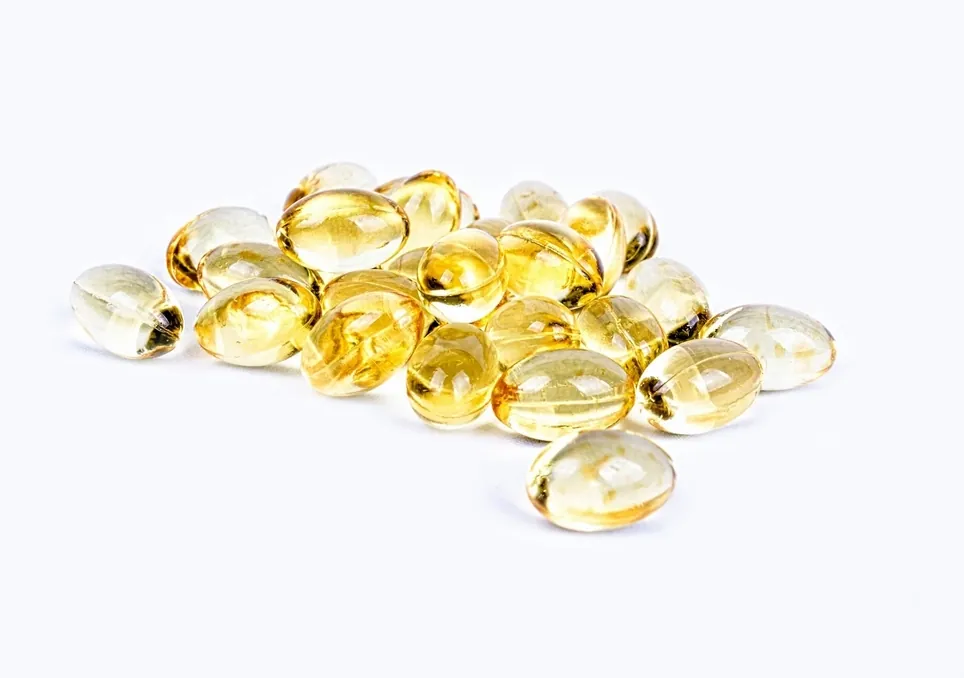
Oral omega-3 supplement (rTG form)
An oral omega-3 in re-esterified triglyceride form, which was absorbed better than the ethyl ester form in one trial comparing fish oil formulations (Dyerberg et al., 2010). We recommend approximately 2,000mg combined EPA and DHA per day, taken with a fatty meal.
Higher EPA ratio preferred. Research suggests EPA is the more active component for reducing eyelid inflammation (Wang & Ko 2023).
Diet comes first
Two to three servings of oily fish a week (salmon, sardines, mackerel) give meaningful omega-3, and fish carries nutrients capsules don't replicate. Cutting omega-6 (processed foods, vegetable oils) also helps the inflammatory balance. Diet matters most with poor gut health, autoimmune conditions or little fish.

How long does omega‑3 take to work?
About two months; stop if your symptoms haven't improved by then.
Take it with a fatty meal for eight weeks. If symptoms haven't improved, stop. The DREAM extension study found stopping after 12 months didn't worsen outcomes in stable patients, so you may not need it for life.
If omega-3 alone isn't enough, we escalate to clinical treatments like IPL therapy, anti-inflammatory drops, or further investigation into what's driving your symptoms. Omega-3 is one tool in the kit, not the whole kit.
Dosage
What omega-3 dosage helps dry eyes?
We suggest about 2,000mg of EPA and DHA combined each day with food.
2,000mg
What we suggest
EPA and DHA combined each day, with a fatty meal.
3,000mg
The largest trial's dose
What the DREAM trial gave each day (Asbell et al., 2018).
More EPA
What did better
Higher doses, longer use and more EPA predicted a better response (Wang & Ko, 2023).
Not sure what's causing your dry eye?
Who should check with their GP first?
Ask your GP before starting omega-3 if any of these apply.
Blood thinners
Warfarin, aspirin or NOACs.
Atrial fibrillation
A history of irregular heartbeat.
Surgery soon
Within the next two weeks.
Pregnancy
Pregnant or breastfeeding.
At standard dry-eye doses (1,000 to 2,000mg a day) omega-3 is generally well tolerated; the common side effects are mild, such as fishy aftertaste or reflux, and taking an rTG form with food reduces both. The NHMRC recommends no more than 3,000mg combined EPA and DHA a day from supplements.
A 2024 systematic review in the Journal of the American Heart Association found no significant increase in bleeding at standard doses, but if you're on anticoagulants, talk to your prescribing doctor.
Common questions
Questions about omega-3 for dry eyes
Does omega-3 help dry eyes?
The evidence is mixed. The largest trial (DREAM) found no benefit over olive oil, but pooled data from multiple trials still shows modest improvements — particularly for MGD-driven dry eye. We recommend it as part of a broader treatment plan, not as a standalone fix.
What type of omega-3 is best for dry eyes?
Look for a re-esterified triglyceride (rTG) form with a high EPA-to-DHA ratio. EPA appears to be the more active component for reducing eyelid inflammation. Take with a fatty meal for better absorption.
How much omega-3 should I take for dry eyes?
Research supports around 2,000mg of combined EPA and DHA per day. The NHMRC recommends not exceeding 3,000mg/day from supplements. Check the label for the EPA and DHA content rather than the total fish oil weight.
Is fish oil the same as omega-3?
Not exactly. Fish oil contains omega-3 fatty acids (EPA and DHA), but the concentration varies widely. A standard 1,000mg fish oil capsule might contain only 300mg of actual EPA+DHA. Look for products that list EPA and DHA content separately.
Can I get enough omega-3 from food alone?
Possibly. Two to three servings of oily fish a week (salmon, sardines, mackerel) provide meaningful intake. Plant sources like flaxseed contain ALA, which converts poorly (under 5%) to EPA and DHA. If your diet is already fish-rich, supplementation may add less.
Related conditions
More about dry eye

Dry eye treatment
Full overview of diagnosis, treatment pathways, and what to expect at your first appointment.
Meibomian gland dysfunction
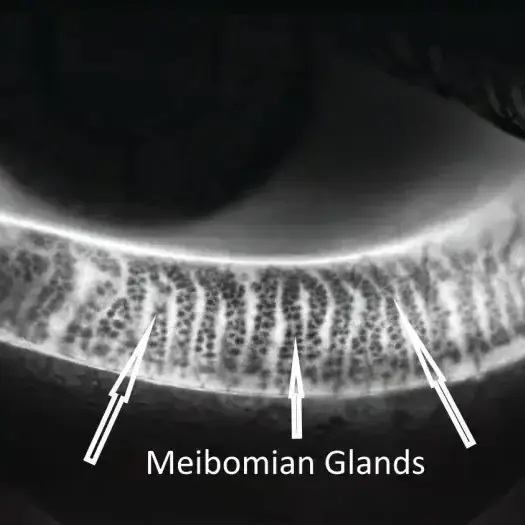
The blocked-gland problem behind most dry eye, and how we treat it.
IPL for dry eye
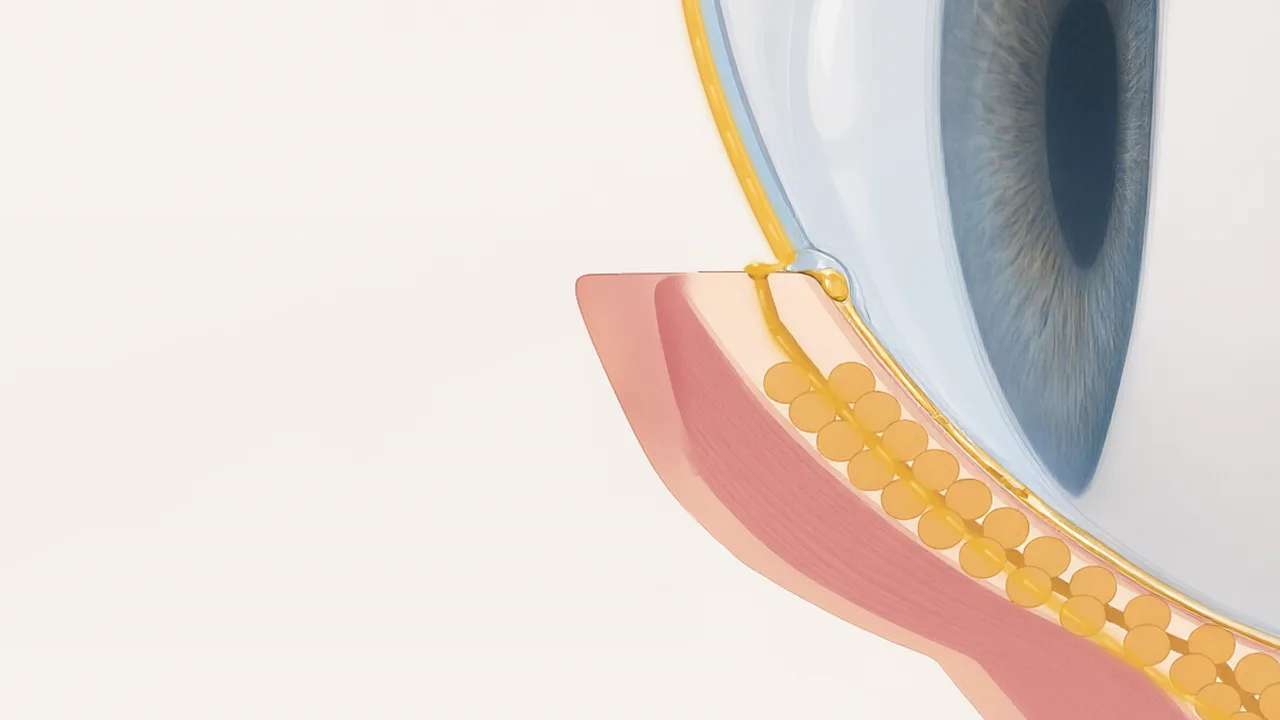
IPL treats the inflammation behind blocked oil glands. Four sessions over three months, from $800.

Blepharitis treatment
Chronic eyelid inflammation driven by bacteria or demodex. Lid hygiene, medication, and IPL.

Dr Nikki Peng, B.Optom (Hons 1st Class) UNSW · Grad Cert Ocular Therapeutics · ACO Advanced Children's Vision
Nikki has a special interest in dry eye management and is the author of "Redefining Dry Eye" (mivision, September 2009). She leads dry eye diagnosis and IPL treatment at Concord Eyecare.
Last reviewed May 2026
References (8)
- Asbell PA, Maguire MG, Pistilli M, et al. n-3 Fatty Acid Supplementation for the Treatment of Dry Eye Disease. N Engl J Med 2018;378(18):1681–1690.
- Wang WX, Ko ML. Efficacy of Omega-3 Intake in Managing Dry Eye Disease: A Systematic Review and Meta-Analysis. J Clin Med 2023;12(22):7026.
- Downie LE, Ng SM, Lindsley KB, Akpek EK. Omega-3 and omega-6 polyunsaturated fatty acids for dry eye disease. Cochrane Database Syst Rev 2019;12:CD011016.
- Eom Y, Jun I, Jeon HS, et al. Re-Esterified Triglyceride ω-3 Fatty Acids in Dry Eye Disease With MGD. JAMA Ophthalmol 2024;142(7):617–624.
- Jones L, Craig JP, Markoulli M, et al. TFOS DEWS III: Management and Therapy Report. Am J Ophthalmol 2025;279:289–386.
- Jacobi C, Angstmann-Mehr S, Lange A, Kaercher T. A Water-Free Omega-3 Fatty Acid Eye Drop Formulation for Evaporative Dry Eye Disease. J Ocul Pharmacol Ther 2022;38(5):348–355.
- Downie LE, Gad A, Wong CY, et al. Omega-3 Fatty Acids and Eye Health: Opinions and Self-Reported Practice Behaviors of Optometrists in Australia and New Zealand. Nutrients 2020;12(4):1179.
- Dyerberg J, Madsen P, Møller JM, Aardestrup I, Schmidt EB. Bioavailability of marine n-3 fatty acid formulations. Prostaglandins Leukot Essent Fatty Acids 2010;83(3):137–141.
Ready to find out what's causing your dry eye?
Appointments Monday to Saturday.